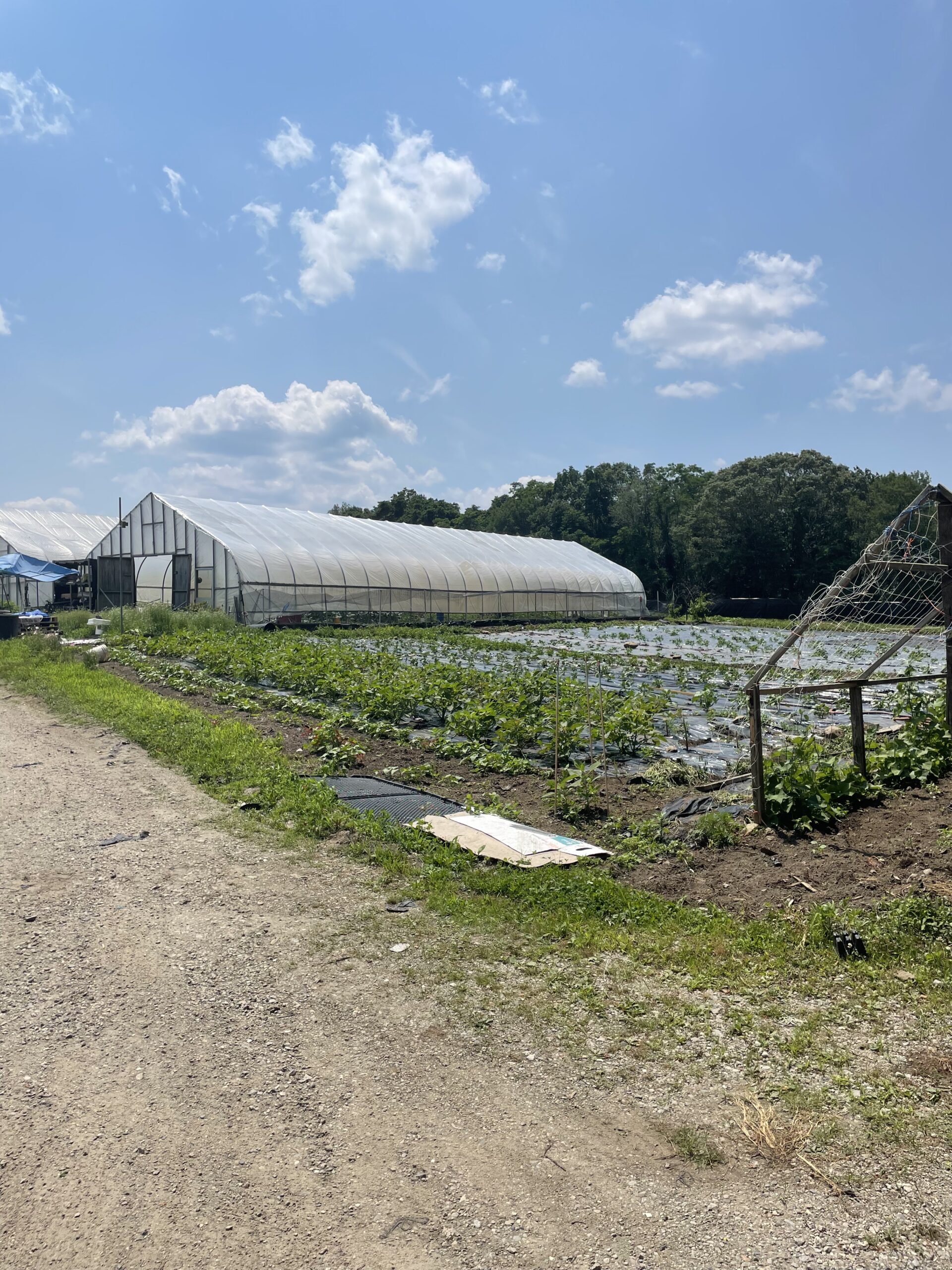
 Rhode Island’s farmland is the most expensive in the country. While the United States farm real estate value averaged $4,350 per acre in 2025, Rhode Island’s average sits at $22,500, according to the USDA’s 2025 Land Values Summary. That disparity, along with our small size, puts Rhode Island farmland under constant and intensifying pressure from development. The farmers who work the land, particularly new and beginning farmers, face barriers to land access that are unlike anywhere else in the nation.
Against that backdrop, and in a budget year that arrived with a structural deficit and little apparent appetite for conservation spending, advocates won something meaningful. Recently, the House Finance Committee approved a revised Green Bond totaling $55 million, up from Governor McKee’s proposed $50 million, with $3 million designated for farmland preservation and $3 million for open space acquisition. According to ecoRI News, Speaker Blazejewski told reporters: “Our caucus spoke over and over again about making the Green Bond greener. And we did just that.” The bond heads to a full House vote expected on June 5, before going to voters in November.
The Rhode Island Land Trust Council coordinated much of the advocacy effort, and SCLT was among the organizations that showed up to make the case. Executive Director Margaret DeVos and Properties & Farms Manager Matthew Tracy both provided testimony in support of the legislation. American Farmland Trust‘s New England program also testified, citing projections that Rhode Island stands to lose 8,100 acres of farmland by 2040 under current development trends, representing a 13.7% loss in farm output and 600 jobs. The Agricultural Land Preservation Commission, which has permanently protected 129 farms and roughly 8,252 acres since 1985, will be among the primary beneficiaries of the new funding.
Farmland preservation is not the only legislative priority SCLT has been working on this session. SCLT played an essential role in authoring the Urban & Small Farm Success Act (H7242/S2827), and continues to work alongside partners including the Rhode Island Food Policy Council and other stakeholders to advocate for its passage. The legislation would extend equitable access to state agricultural tax programs and support to farms under five acres, a threshold that currently excludes much of Rhode Island’s urban and small-scale farming community. The bill is scheduled for a hearing in the Senate Environment & Agriculture Committee, and SCLT will continue pushing for its passage with both state legislators and the small farmer community across Rhode Island.
There are two ways Rhode Islanders can help carry this work forward. When the Green Bond appears on the November ballot, a yes vote will put the $3 million for farmland preservation to work protecting the working lands that feed this state. And the Urban & Small Farm Success Act still needs to clear the Senate. SCLT will be sharing specific opportunities to advocate for the bill in the weeks ahead, including ways to connect directly with state legislators. Follow SCLT on social media and keep an eye on your inbox for updates on how to get involved: Instagram | Facebook